In the bustling environment of Whitehouse, Texas, vehicle safety is paramount, especially when it comes to brakes. Brake safety inspections play a critical role not only in ensuring compliance with state regulations but also in safeguarding the lives of drivers and passengers. With an increasing number of vehicles on the roads, understanding the importance of regular brake inspections can help prevent accidents caused by brake failure.
Understanding Brake Systems
Before diving into the specifics of brake safety inspections, it's essential to grasp how brake systems function. Modern vehicles typically utilize disc or drum braking systems. Disc brakes feature rotors and calipers that clamp down on the rotor to slow down or stop the vehicle. Drum brakes use a different mechanism, relying on friction from brake shoes pressing against a rotating drum.
Both systems require regular maintenance to ensure they operate effectively. Over time, brake pads wear down, hydraulic fluid may degrade, and components can corrode or become damaged. A thorough inspection will identify these issues before they escalate into more serious problems.
The Importance of Regular Brake Inspections
The significance of routine brake safety inspections cannot be overstated. In fact, many states mandate annual vehicle inspections that include a thorough examination of the braking system. For residents in Whitehouse, TX, adhering to these requirements is not just about compliance; it’s about ensuring personal and public safety.
Identifying Potential Problems Early
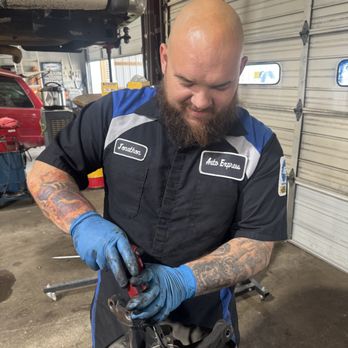
Regular inspections allow certified technicians to catch potential problems early. For example, if a technician notices that brake pads are nearing their wear limit during an inspection, they can recommend replacement before it leads to a complete failure while driving. This proactive approach can save money in repairs and prevent dangerous situations on the road.
Enhancing Vehicle Longevity
Vehicles that receive regular maintenance tend to last longer and perform better. Brake systems are no exception; keeping them in optimal condition contributes not only to improved performance but also to overall vehicle longevity. When drivers invest in their vehicle's health through consistent inspections and maintenance, they often see returns in terms of reliability and resale value.
Peace of Mind for Drivers
Having confidence in a vehicle's braking system provides peace of mind for drivers and their families. Knowing that brakes have been inspected by ASE-certified professionals helps alleviate anxiety during everyday commutes or long road trips. This sense of security allows drivers to focus more on the road rather than worrying about whether their brakes will perform as expected.
What Happens During a Brake Safety Inspection?
A comprehensive brake safety inspection typically involves several key components:
Visual Inspection: Technicians will visually assess all brake components for signs of wear or damage. Brake Pad Thickness Check: Measuring the thickness of brake pads ensures they meet safety standards. Fluid Condition Evaluation: The quality and level of brake fluid are checked to ensure proper hydraulic function. Test Drive: Often, technicians will take the vehicle for a test drive to evaluate braking performance under real-world conditions. Assessment of Related Systems: Other systems such as suspension and tires may also be checked since they affect braking efficiency.Each element plays an integral role in providing a complete picture of your vehicle's braking capabilities.
State Regulations for Brake Inspections
In Texas, state regulations require vehicles to undergo annual safety inspections that encompass various aspects including brakes. These inspections help ensure that vehicles meet minimum state inspection Texas safety standards before being deemed roadworthy.
For residents in Whitehouse seeking state vehicle inspection services, numerous licensed inspection stations offer certified checks focused on compliance with Texas laws while prioritizing customer safety.
Choosing the Right Inspection Station
Selecting an inspection station is crucial for receiving quality service and accurate assessments. Here are some factors residents should consider:
- Certification: Ensure the station employs licensed inspectors who adhere to state regulations. Reputation: Look for customer reviews or ratings online which can provide insight into service quality. Convenience: Opt for an inspection station that offers flexible hours or walk-in appointments for added convenience. Comprehensive Services: Some stations provide multi-point safety inspections covering more than just brakes — this could include tire checks and emissions testing. Affordability: Consider pricing options but remember that cheaper isn't always better; prioritize quality service over cost alone.
Choosing wisely can lead to better insights into your vehicle’s condition while ensuring you meet state requirements efficiently.
Common Signs Your Brakes May Need Attention
While routine inspections are essential, paying attention to your car's behavior can alert you when something is wrong with your brakes:
- Unusual noises such as grinding or squeaking when applying brakes Vibration or pulsation through the pedal Warning lights illuminating on your dashboard related to braking issues A noticeable decrease in responsiveness when pressing on the brake pedal Fluid puddles near tires indicating potential leaks
If any of these symptoms arise, it's vital to seek professional assistance promptly rather than waiting for your next scheduled inspection.
The Cost-Benefit Analysis of Regular Inspections
Investing time and resources into regular brake inspections provides significant benefits compared to potential costs associated with neglecting this critical aspect of vehicle maintenance:
Accident Prevention: Properly functioning brakes drastically reduce accident risks caused by failure. Lower Repair Costs: Early detection prevents minor issues from escalating into major repairs which can be much more expensive. Insurance Benefits: Some insurance companies may offer discounts for vehicles that maintain up-to-date inspection records as it reflects responsible ownership. Resale Value Retention: A well-maintained vehicle retains higher resale value compared to one with neglected maintenance records. Enhanced Fuel Efficiency: Properly working brakes contribute positively towards overall fuel efficiency since dragging or malfunctioning brakes create additional drag.The advantages clearly outweigh any inconvenience associated with scheduling routine inspections when considering both financial implications and personal safety.
Conclusion
Brake safety inspections are an essential component of responsible vehicle ownership in Whitehouse, TX. By understanding their importance and being proactive about maintenance schedules, drivers not only comply with state regulations but also contribute significantly toward safer roads for everyone involved.
Whether you’re preparing for an upcoming trip or simply ensuring your daily commute remains uneventful, prioritizing brake health through regular inspections is vital—both for you personally and for those sharing the road with you.